
AI search, ads inside ChatGPT, more automated ad platforms and new UK cookie rules: these are the digital marketing trends that matter most for UK businesses in 2026.
Digital marketing in 2026 is being shaped less by new platforms and more by AI changing how people search, how ads are bought and how content is made. These are the trends we think matter most for UK businesses this year, with what each one means in practice.
Updated October 2026: this article started life as our 2025 trends round-up. We have rewritten it for 2026.
1. AI Search Becomes Everyday Search
Google launched AI Mode in the UK in July 2025, giving people conversational answers with links to the web and the option to ask follow-up questions. In August 2026 AI Mode reached the Chrome address bar in the UK, so people can ask a question without going to the Google homepage first. AI Overviews also appear above the usual results for many searches.
People are asking assistants such as ChatGPT and Gemini for recommendations too. To be recommended, an assistant needs clear, specific and trustworthy information about your business to draw on.
What to do: answer the questions your customers actually ask, in plain language, on pages that load quickly. Keep your Google Business Profile accurate and keep collecting genuine reviews. Google says the same SEO fundamentals apply to its AI features. Our guide to SEO, AEO and GEO explains the difference, and SEO in 2026 covers what still works.
2. Ads Arrive Inside AI Assistants
Ads in ChatGPT launched in the UK in June 2026, OpenAI's first European market. At first they were sold through OpenAI's own team. Later that month OpenAI opened its self-serve Ads Manager to UK advertisers in beta, with cost-per-click buying alongside buying by impressions. Ads are shown to logged-in adults on the Free and Go plans, while paid plans such as Plus and Pro are ad-free.
What to do: treat this as a new channel to test rather than a replacement for search or social. If you sell to consumers and already run paid search, a small, carefully measured trial will tell you more than any forecast.
3. More Automation in Google and Meta Ads
Google is replacing Dynamic Search Ads with AI Max for Search. New Dynamic Search Ads campaigns can no longer be created from January 2027, and any remaining campaigns will be upgraded automatically from February 2027. AI Max uses your website, assets and search terms to match ads to more searches and to tailor your ad text.
Meta is heading the same way. At Cannes Lions 2026 it announced a new creative tool, currently in testing, that learns your brand's identity and tone from your existing ads and generates new ones. It is also extending AI text generation in Ads Manager to the words that appear inside image ads.
What to do: when the platforms handle more of the targeting and creative, the inputs you control matter more. That means accurate conversion tracking, strong landing pages, clear brand guidelines and regular checks on where your budget is going. Our guide to AI Max for Search explains what to do before February 2027.
4. AI-Assisted Shopping, With the Customer Still in Charge
AI assistants are becoming part of how people research purchases. ChatGPT shows product recommendations to users in the US using merchants' product feeds, and products from Shopify and Etsy sellers are already included. In March 2026 OpenAI moved away from letting people buy directly inside ChatGPT, and now sends shoppers to the retailer's own website or app to complete their purchase.
In the UK, payment rules such as strong customer authentication assume a person approves each payment, so AI agents buying entirely on their own are unlikely to become common any time soon.
What to do: make your product and service information easy for software to read. Keep product feeds complete, prices and stock accurate, and delivery and returns policies clear, and use structured data on your website.
5. Creators, Customers and Authentic Content
People trust people. Content from real customers, employees and creators often feels more credible than a polished brand advert, and the platforms are building more tools around it.
Meta is combining Creator Marketplace and Partnership Ads Hub into a single Meta Creator Marketing Hub later this year, and has added Facebook creators to Creator Marketplace alongside Instagram creators. Businesses can also find creator posts that tag their products and, where the creator has opted in, run them as partnership ads.
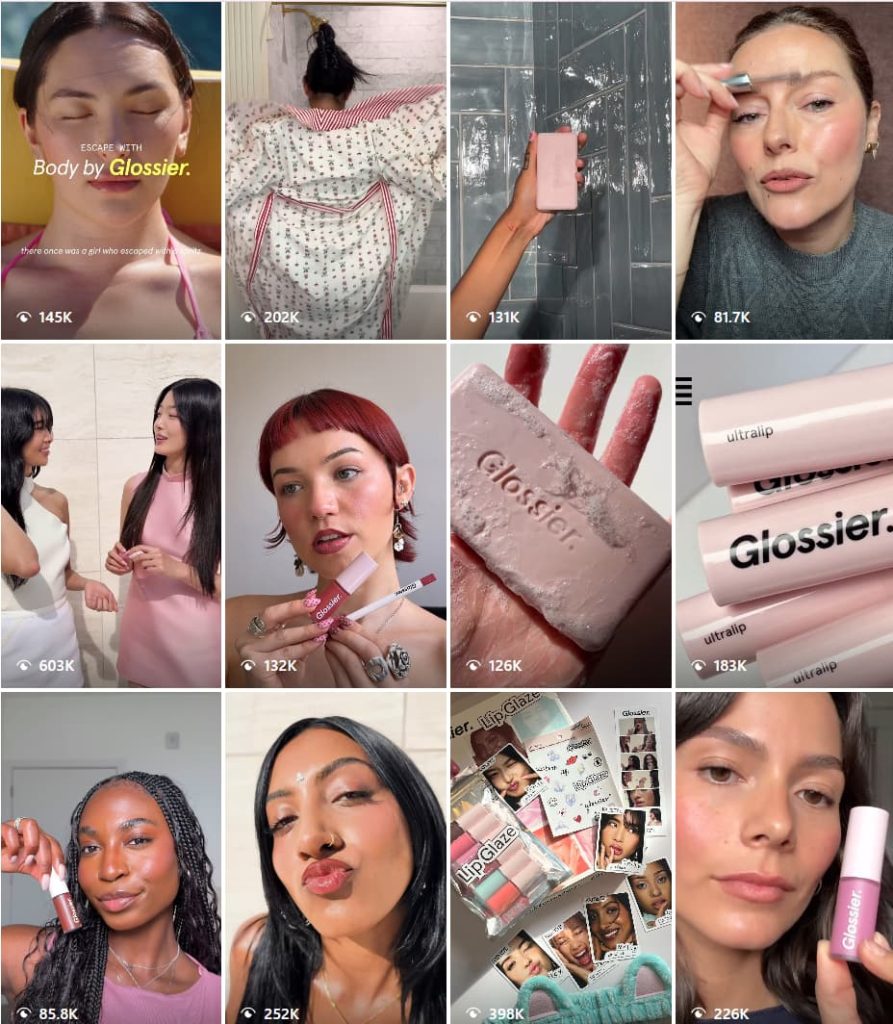
Glossier built its brand around authentic customer content, and many businesses now encourage their staff to share their work and expertise on LinkedIn.
What to do: encourage reviews and customer content, always ask permission before sharing it, and make sure paid partnerships are clearly labelled as advertising. Our article on why authentic content is winning in 2026 has more ideas.
6. Short-Form Video and New Ad Placements
Short-form video on TikTok, Instagram Reels and YouTube Shorts remains central to social media. Instagram's free Edits app gives creators detailed insights into how each Reel performs, and Meta began rolling out an AI assistant in Edits in the US at the end of September 2026.
Threads is now an ad placement worth knowing about. Meta started rolling out Threads ads to all users globally in January 2026, and Threads placements are added automatically to Advantage+ and manual campaigns, so check your placement settings if you want control over where your ads appear.
What to do: plan video into your content from the start, add captions and make the first few seconds count. Our guide to essential social media tools for 2026 covers the apps that make this easier.
7. Privacy and First-Party Data
The UK's cookie rules have changed. Since 5 February 2026, changes made by the Data (Use and Access) Act have allowed some analytics cookies to be used without consent, as long as their only purpose is to produce statistics that help you improve your website, and visitors are told about them and given a simple, free way to opt out. Advertising and tracking cookies still need consent.
Google decided in 2024 not to phase out third-party cookies in Chrome, and confirmed in 2025 that it would not introduce a separate cookie choice prompt either. Even so, consent rules, browser restrictions and ad blockers mean third-party data is less reliable than it once was.
What to do: build your own customer data with consent, through email sign-ups, loyalty schemes and genuinely useful content, and make sure your conversion tracking is set up properly. Our guide to cookie consent and Google Analytics in the UK explains the new rules in detail.
8. AI Agents in Customer Conversations
Chatbots have become far more capable. Meta now offers businesses an AI agent that can answer questions and recommend products in its messaging apps, including WhatsApp, and website chat tools can qualify enquiries and book appointments outside office hours.
What to do: start with the questions you answer most often, always offer a clear route to a real person, and check the answers regularly. Our article Can chatbots generate leads? covers how to set one up well.
Final Thoughts
The common thread in 2026 is that AI is taking on more of the mechanics of marketing, from search results to ad targeting and creative. That makes the things only you can provide more valuable: accurate information, genuine expertise, real customer stories and good data.
At Rise By Digital, we help businesses turn these changes into results through SEO, paid advertising and social media. If you would like to talk about which trends matter most for your business, book a free consultation with our team.