
AI search, video, authentic content, privacy and tougher UK consumer rules are changing digital marketing in 2026. Here is what is shifting and how to stay ahead.
As we approach 2026, one thing is certain: digital marketing is no longer about keeping up; it is about staying ahead. The pace of innovation, the power of artificial intelligence and changing customer expectations are transforming how brands connect, engage and grow.
For marketers and businesses alike, 2026 will be a year defined by agility, authenticity and intelligent creativity. At Rise By Digital, we are already looking beyond today's trends to identify what will matter most in the year ahead. Here is what is on the horizon.
Updated October 2026: we have refreshed this article to reflect changes in Google Search and UK consumer law since it was first published.
1. AI Moves from Tool to Team Member
Artificial intelligence is no longer an add-on; it is becoming a core part of marketing strategy. AI is moving beyond automating tasks like drafting content or adjusting ad targeting. Increasingly, it acts as a collaborator, helping to analyse data, generate insights and test ideas before campaigns launch.
AI-powered personalisation will also go further, helping brands tailor content to individual customers based on their behaviour. The challenge for marketers is balancing automation with authenticity. The most successful brands will use AI to enhance the human touch, not replace it, and will check its output carefully.
2. Search Is Changing, Again
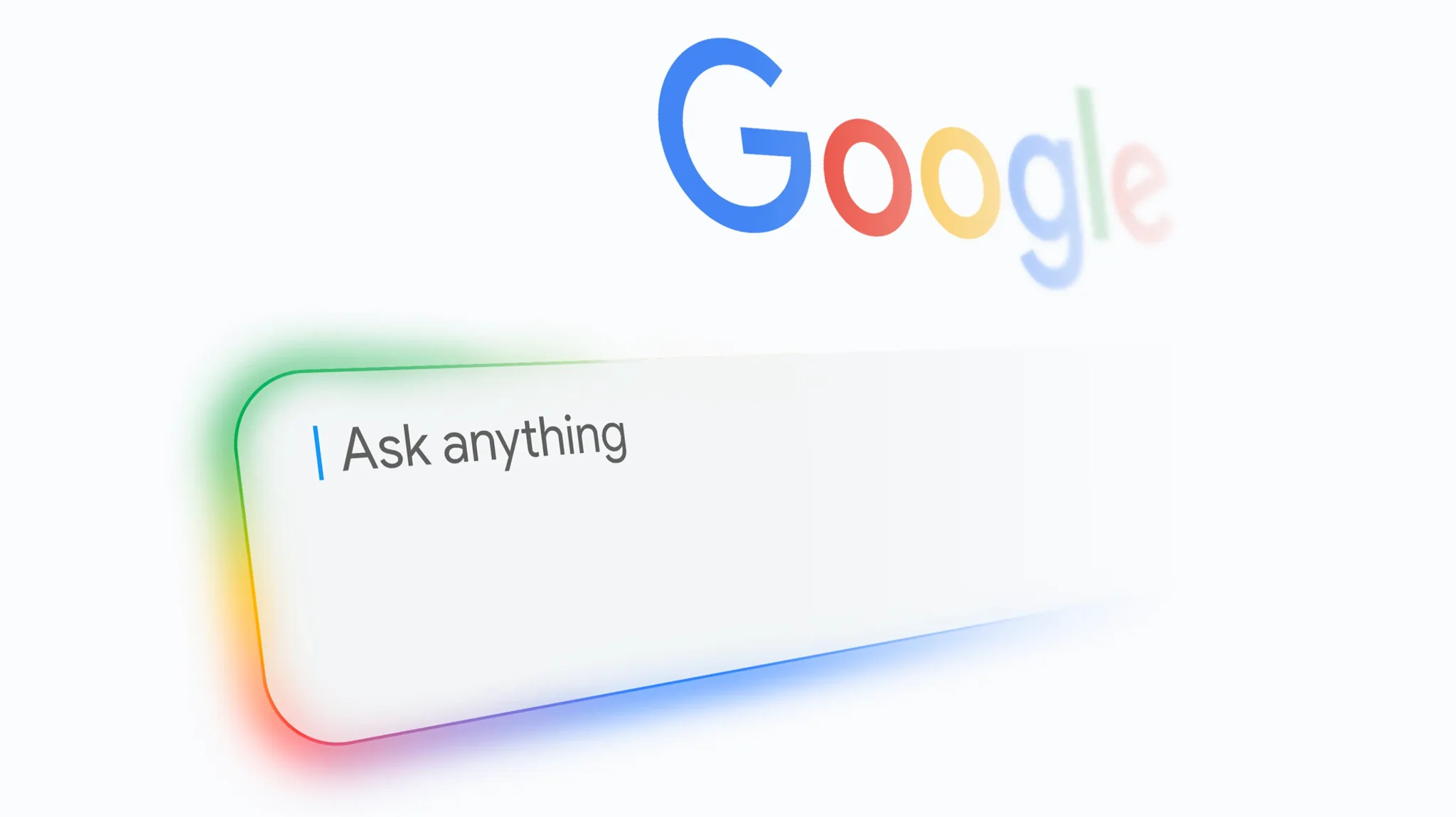
Search looks very different from a few years ago. Google now shows AI Overviews for many searches, and AI Mode, which launched in the UK in 2025, lets people ask longer, conversational questions. Tools such as ChatGPT and Perplexity are also answering questions that people used to type into search engines.
That means marketers need to rethink how they create and structure content. Instead of focusing purely on keywords, brands should focus on clarity, context and credibility. Google's own guidance says the same SEO fundamentals apply to its AI features: helpful, reliable content on pages that can be crawled and indexed.
Those who position themselves as trusted, authoritative sources will stand out in a world where AI summaries are part of the search experience. Our guide to SEO, AEO and GEO explains how these approaches fit together.
3. The Rise of Human-Centric Content
Audiences are craving realness. As AI-generated content floods the internet, people increasingly value authenticity, emotion and storytelling. The brands that thrive will be those that sound human, because people connect with people, not polished algorithms.
Expect to see more behind-the-scenes content, user-generated campaigns and personality-driven storytelling across social platforms. Creators, micro-influencers and brand ambassadors will continue to bridge the gap between businesses and communities, making authenticity a real differentiator.
4. Video and Interactive Content Dominate
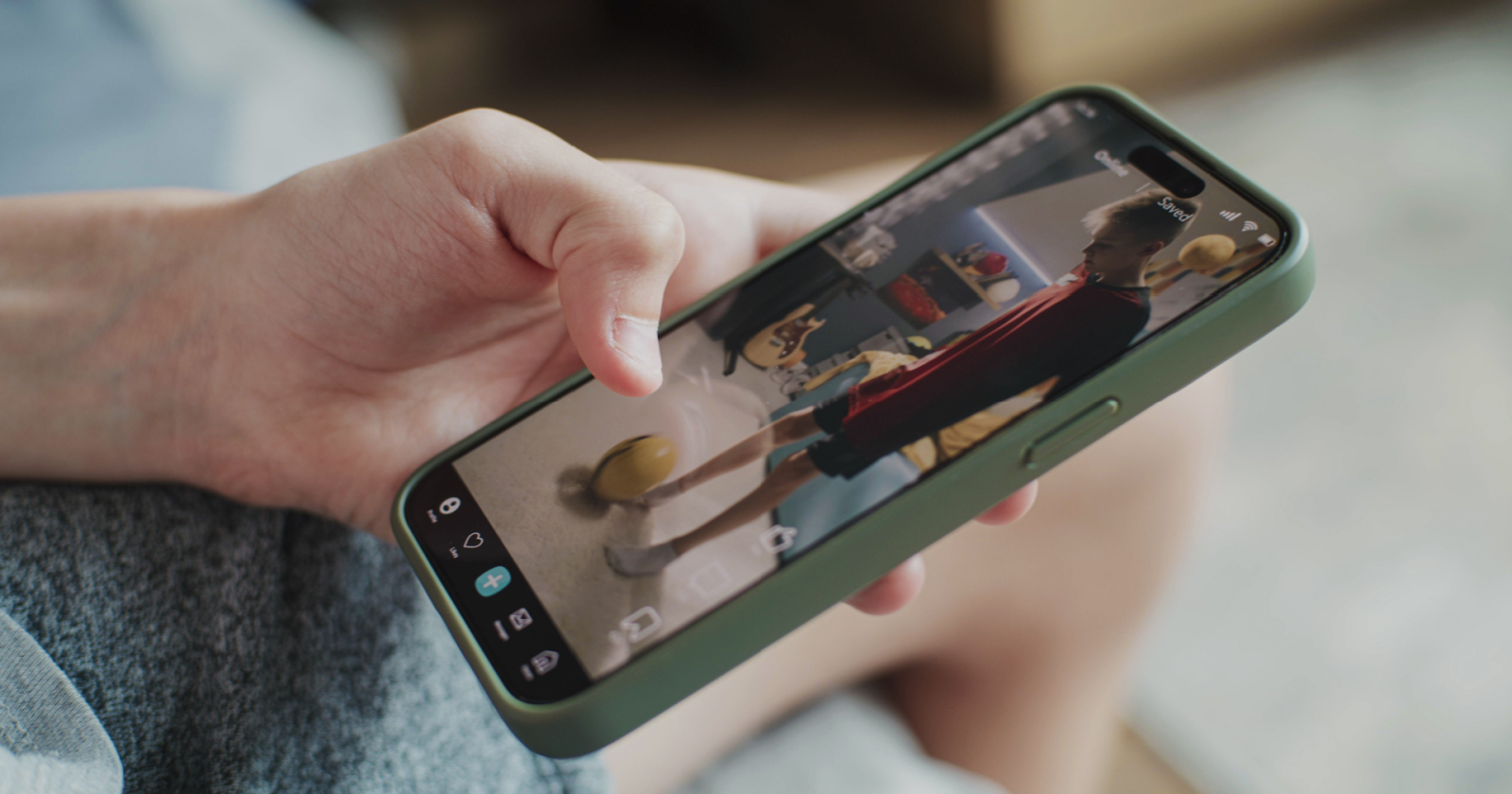
Video will remain central in 2026, but it is evolving. Short-form video will still drive engagement on TikTok, Instagram and YouTube Shorts, while shoppable video lets people buy a product straight from a demo or a live stream.
Livestreaming, AR try-ons and immersive storytelling will continue to grow, blurring the line between entertainment and e-commerce. For brands, it is not just about producing video; it is about creating experiences.
5. Data Privacy and Ethical Marketing Matter More Than Ever
As digital experiences become more personalised, people are also becoming more protective of their data. Transparency and trust are essential to marketing success.
Brands that clearly explain how they use customer data, and give people genuine control over it, will build loyalty that lasts. The rules are tightening too: in the UK, the Information Commissioner's Office can now fine organisations far more for breaking electronic marketing rules, and the Competition and Markets Authority can fine businesses directly for misleading consumers. Ethical marketing is moving from a buzzword to a baseline expectation.
6. Sustainability Meets Digital Strategy
Many consumers care about the environmental impact of what they buy, and marketers are taking notice. From lower-impact packaging to more efficient websites, brands are aligning their marketing messages with meaningful actions.
Sustainability claims must be accurate and backed by evidence. The CMA's Green Claims Code sets out how businesses should make environmental claims, and since April 2025 the CMA has been able to fine businesses directly for breaking consumer law. Done honestly, sustainability can become part of your brand identity rather than an afterthought.

7. The Year of Integration
Finally, 2026 will be the year of integration. Businesses that align their social media, SEO, paid advertising and content strategies under one joined-up approach will outperform those working in silos.
Cross-channel storytelling, where every platform plays a part in a consistent story, will become the standard to aim for. Whether through consistent messaging, shared data or connected customer journeys, integration turns good marketing into great marketing.
The Takeaway
The future of digital marketing is not just about technology; it is about people. 2026 will reward brands that stay curious, embrace innovation and remain authentic in how they connect.
At Rise By Digital, we believe success online comes from blending creativity, strategy and adaptability. As things change, our focus remains the same: helping businesses rise above the noise and grow with confidence.
If you would like to future-proof your marketing strategy, we are here to help.