
Why Christmas is such a strong marketing opportunity, the key dates for 2026, a month-by-month plan and the checks that keep festive offers fair and effective.
Christmas is the one time of year when almost everyone is thinking about buying, giving, celebrating or getting in touch with people. For businesses, that creates a rare mix of attention, goodwill and intent. It also means more competition than at any other time of year, so the businesses that do well are usually the ones that plan early.
This guide explains why Christmas is such a strong marketing opportunity, how to plan your campaign week by week and the practical checks that stop festive marketing going wrong. We have refreshed it for Christmas 2026.
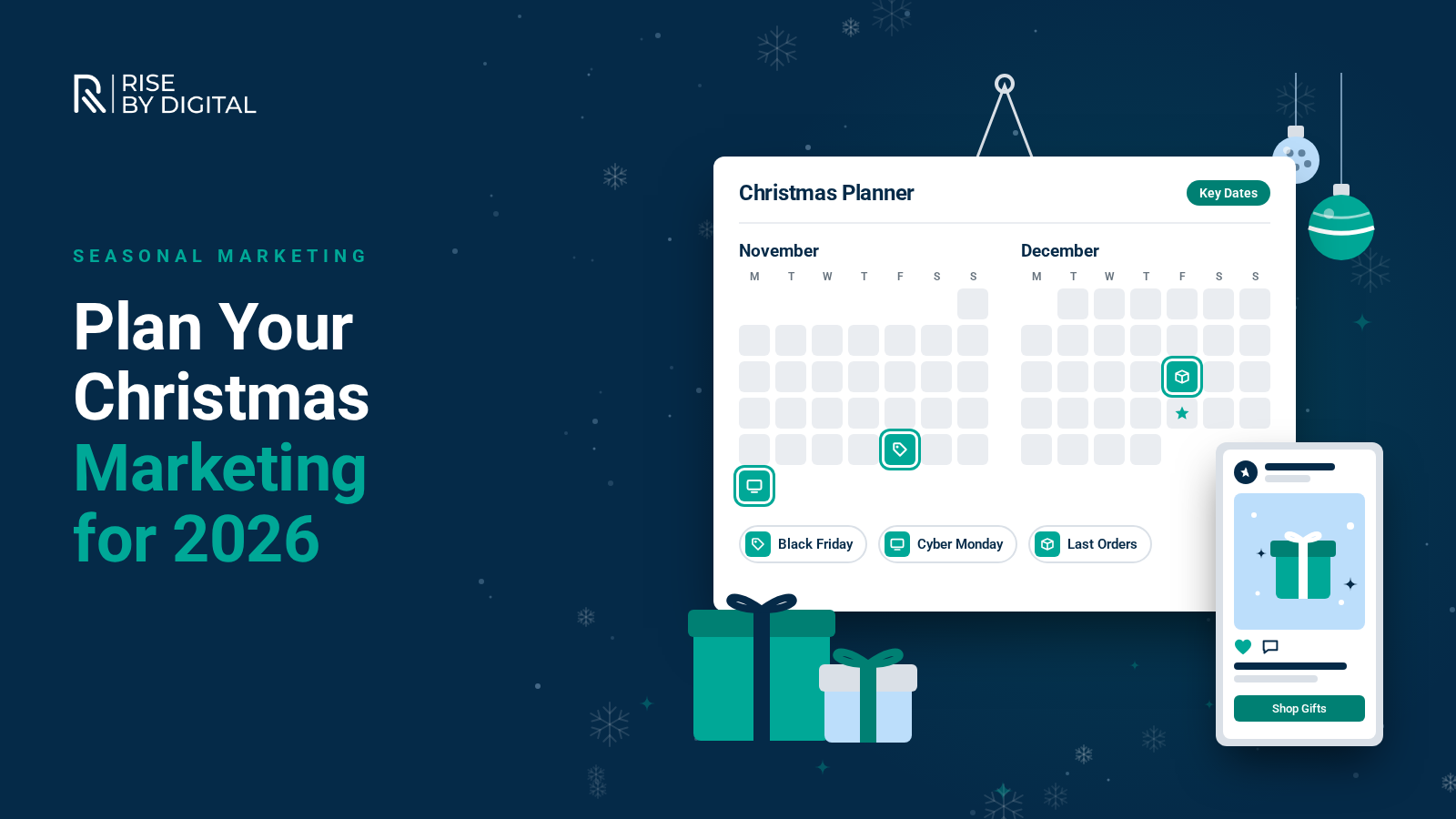
Key dates for Christmas 2026
- Friday 27 November: Black Friday
- Monday 30 November: Cyber Monday
- Friday 25 December: Christmas Day
- Monday 28 December: Boxing Day substitute bank holiday in England and Wales, according to GOV.UK
Add your own deadlines too: last order dates, courier cut-offs, your final working day and the date you reopen.
Why Christmas is great for marketing
People are actively looking
From gifts and food to parties, travel, home improvements and corporate hospitality, people search for a huge range of products and services in the run-up to Christmas. If you are visible when they look, you can win customers who may stay with you long after the festive season.
There is a natural reason to get in touch
Christmas gives you a genuine reason to contact past customers, clients and suppliers. A thank-you email, a card or a useful gift guide feels natural in December in a way that a sales message might not in March.
Festive content is easy to engage with
Behind-the-scenes photos, team Christmas jumpers, charity fundraising and light-hearted posts give your audience a reason to interact. That kind of engagement helps people remember you.
It works for B2B as well as retail
Business customers buy at Christmas too, whether that is client gifts, events or planning for the new year. Even if your sales do not peak in December, a warm end-of-year message keeps you front of mind for January.
How to plan your Christmas campaign
October: plan and prepare
- Decide what you are promoting, who it is for and what success looks like
- Plan offers, stock levels and staffing
- Build a simple content calendar covering social media, email and your website
- Create or refresh a Christmas landing page or gift guide on your site
- Check your Google Business Profile, and plan to add special hours for any changes over the holidays
Starting early matters for search. Google says changes to your site can take anything from a few hours to several months to be reflected in results, so seasonal pages published in mid-December may arrive too late. Where you can, reuse the same Christmas page address each year and update it, rather than creating a new one every season.
November: build momentum
- Decide whether Black Friday suits your brand. Not every business needs to discount; some do better with added value, such as gift wrapping or a bonus item
- Increase activity on the channels that work best for you
- Start email campaigns to your existing customers, segmented where possible
- Review Google Ads budgets for the busiest weeks
If you use Smart Bidding in Google Ads, note that Google says it already manages seasonal events. Its seasonality adjustments tool is designed for short events of one to seven days where you expect a major change in conversion rates, such as a flash sale.
December: deliver and communicate
- Promote last order and delivery dates clearly across your site, emails and social channels
- Update your Google Business Profile and website with holiday opening hours
- Set up out-of-office messages that tell people when you will reply
- Schedule content for the quiet days between Christmas and New Year
- Thank your customers and team
Ideas that still work
Festive branding
Small festive touches to your social profiles, emails and website help your marketing feel timely. Keep them on-brand and make sure they do not get in the way of key information such as prices and delivery details.
Branded Christmas cards, printed or digital, remain a simple way to thank clients. A handwritten note from the person they deal with will often mean more than a generic message.
A great customer experience
Busy periods test your service. Clear delivery information, quick responses, friendly phone manner and an easy returns process all build loyalty at a time when customers are short of patience. Small festive gestures help too, but reliability matters most.
Events and competitions
In-store events, Christmas markets, workshops and social media competitions can all create buzz. If you run a prize promotion, follow the platform's own rules and the CAP Code rules on promotional marketing, including clear terms, closing dates and how winners are chosen.
Gift guides and useful content
"Gifts under £25", "how to choose the right size" and "what to order for your office party" are the kind of helpful content that suits both social media and search. They also give your sales team something useful to share.
Reactive and charitable content
Christmas adverts, trends and local events give you plenty to respond to, as covered in our guide to reactive social media posts. Supporting a local charity or community project can also be a meaningful part of your festive activity, provided it is genuine.
Keep your offers genuine
Christmas promotions are now under closer scrutiny. Since 6 April 2025, the CMA has been able to fine businesses up to 10% of their worldwide turnover for breaching consumer protection law. The CMA's guidance on unfair commercial practices makes it clear that falsely saying an offer ends soon is not allowed. In practice:
- Countdown timers must reflect a real deadline, and the offer must actually end
- "Was" prices must be genuine
- "Only 3 left" claims must be true
- Reviews you display must be genuine
Christmas marketing checklist
- Key dates and your own deadlines in one calendar
- Offers, stock and staffing agreed
- Christmas landing page or gift guide live by early November
- Social, email and ad activity planned week by week
- Black Friday approach decided
- Google Business Profile special hours set
- Last order and delivery dates promoted
- Promotions, timers and price claims checked for accuracy
- Competition terms written and platform rules checked
- Out-of-office and holiday messages scheduled
Review what worked in January
The most useful Christmas planning happens in January, while the details are fresh. Note which offers, posts, emails and ads brought in enquiries or sales, which days were busiest and where customers got stuck, such as delivery questions or stock running out. Check your analytics for the pages people visited most and the searches that brought them. Keep those notes with your calendar, and next year's campaign will start from evidence rather than guesswork.
Make the most of Christmas
Christmas rewards businesses that plan early, communicate clearly and treat customers well when they are busiest. Done well, it can bring in customers who keep coming back long after the decorations come down.
We have helped seasonal businesses such as the Real Christmas Tree Farm with websites, SEO, PPC and social media. If you would like help planning your Christmas campaign, our team can help with social media, email marketing and paid ads. Book an initial discovery call to talk through your plans.