
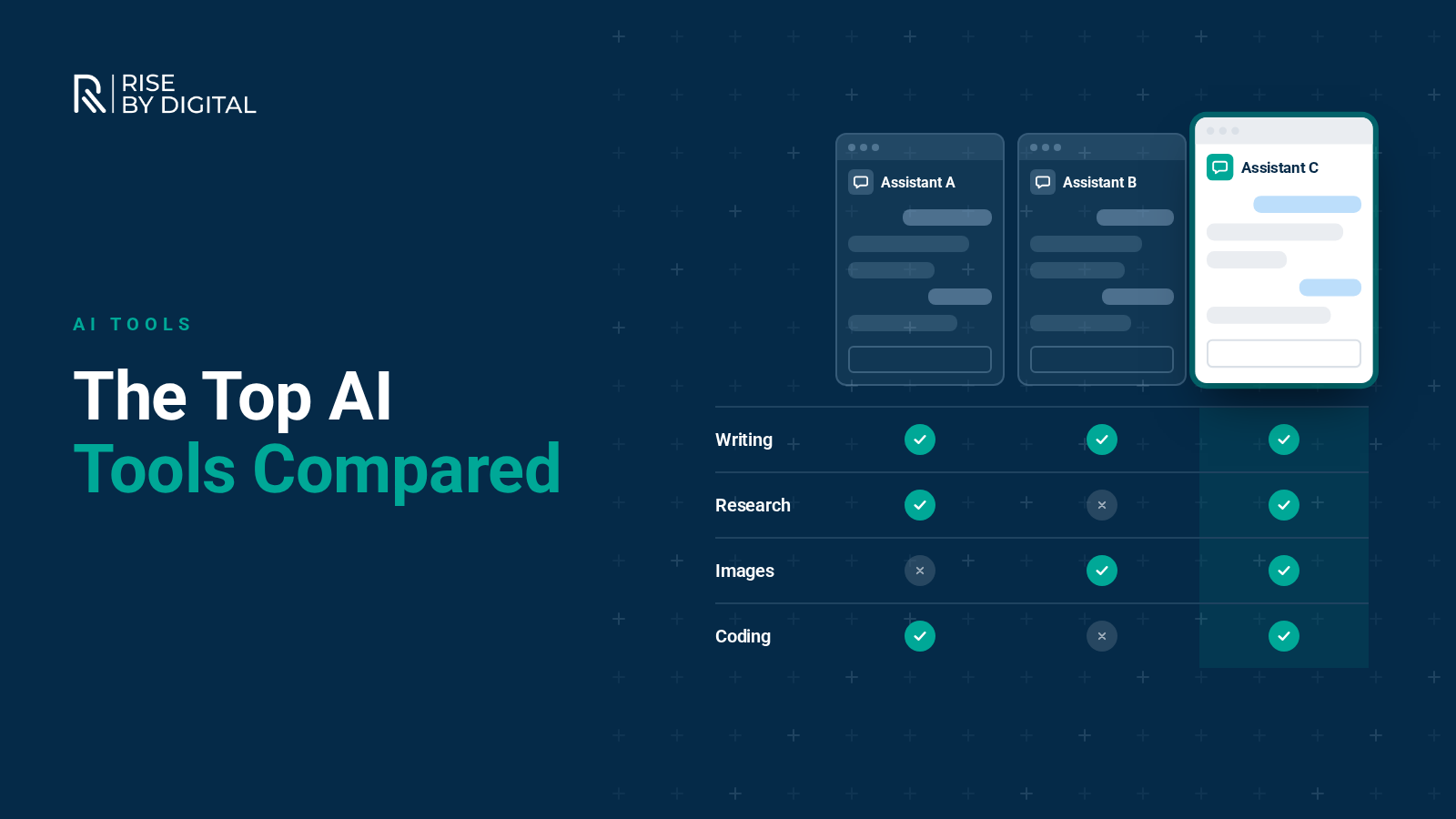
AI tools are now part of everyday work for writing, design, coding and data analysis. This guide compares the most popular options, from ChatGPT and Claude to Midjourney and Copilot.
Artificial intelligence is no longer a futuristic concept; it is a practical toolkit reshaping how we work, create and communicate. From writing to coding, and image generation to business analytics, AI tools are helping professionals work faster and more creatively. But with so many options available, choosing the right tool can be overwhelming.
Here is a look at some of the leading AI tools, grouped by use case and compared by their key strengths and ideal uses.
A note on pricing: AI tools change their plans and prices frequently, and many charge in US dollars. Most of the tools below offer a free plan or free trial, so we have not listed prices. Check each provider's website for current pricing before you sign up.
General AI Assistants: Smarter Conversations, Better Workflows
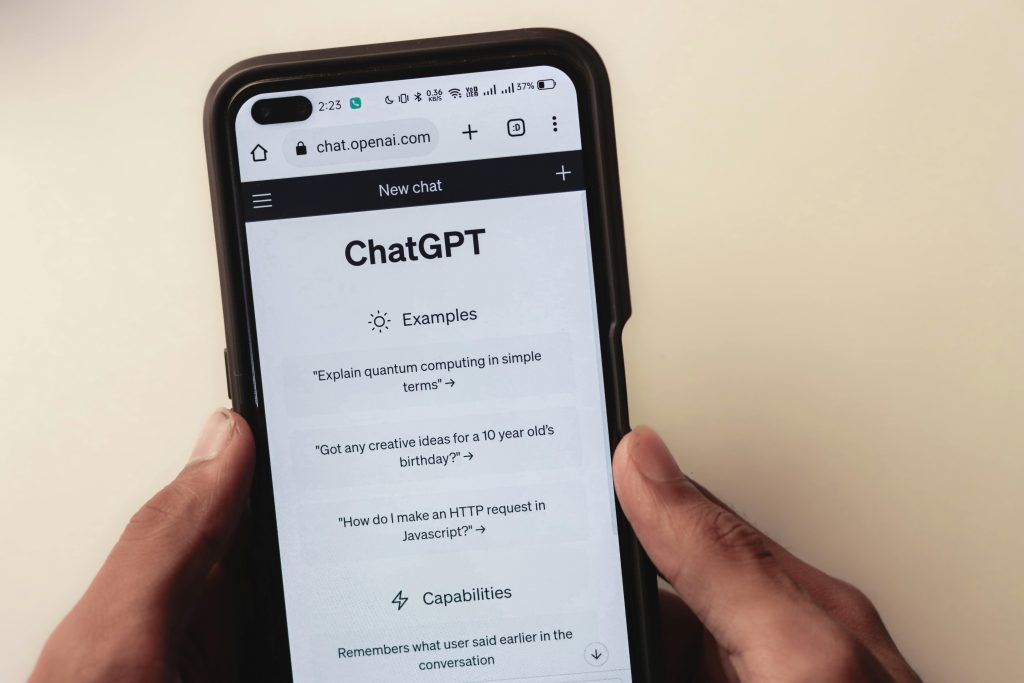
ChatGPT (OpenAI) remains one of the most widely used AI assistants. It is highly capable at writing, coding, creative tasks and reasoning, can search the web, remembers context between conversations if you allow it, and can generate and edit images. Paid plans offer access to OpenAI's most advanced models and higher usage limits, making them popular with professionals and developers.
Claude (Anthropic) stands out for handling long documents and detailed instructions, which makes it a strong choice for researchers, policy writers and analysts who need to work with large reports or datasets. Many people also like its natural, careful writing style.
Google Gemini is closely integrated with Gmail, Docs and Sheets, giving it an edge for anyone already using Google's tools. It is useful for summarising, drafting emails and suggesting edits.
Microsoft Copilot, on the other hand, is built into Microsoft 365, offering formula help in Excel, meeting summaries in Teams and writing help in Word. It is especially useful for businesses that rely on Microsoft 365.
AI Image Generation: Art, Branding and Visual Storytelling
Image generation continues to improve in realism and control.
Midjourney produces some of the most artistic and stylised images available, and is widely used for branding ideas, concept art and social media. It now works in a web browser as well as through Discord.
ChatGPT can also create and edit images from natural language descriptions, which is handy for quick social graphics and editing specific parts of an image.
Adobe Firefly was built with designers in mind. Adobe designs it to be commercially safe, which matters for businesses, and it integrates with Adobe Creative Cloud tools such as Photoshop. It excels in usability and fits neatly into existing design workflows.
Stable Diffusion, from Stability AI, is available as open models that developers can fine-tune for specific industries or artistic styles, making it popular with technical teams and experimental creators.
AI Video Creation: From Simple Clips to Synthetic Avatars
AI video generation is advancing quickly.
OpenAI's Sora produces cinematic, realistic video from text prompts. Availability varies by country, so check whether it is available where you are.
Runway offers both text-to-video generation and editing tools, and is used by independent filmmakers and content creators.
Pika focuses on short-form video from simple prompts, which suits marketers who need quick visual content.
For business communication, Synthesia offers avatar-based video. You can create explainer videos, training content or messages in different languages without cameras or voice actors. While less cinematic, it is very efficient for corporate use.
Coding with AI: Your New Pair Programmer
For developers, GitHub Copilot is deeply integrated with popular code editors such as VS Code and offers code suggestions, chat and documentation help across many programming languages.
Cursor is an AI-first code editor with a conversational interface and agents that can make changes across a whole project. It feels more like working with a colleague than using autocomplete, which makes it great for fast iteration.
Replit builds AI features into a browser-based development environment, including an agent that can build apps from a description. It is accessible for beginners and ideal for prototyping without setting anything up on your own computer.
Windsurf, formerly Codeium, is another AI-powered code editor and a good alternative for teams comparing options.
Writing and Content Creation: From Blogs to Ads
In the content world, Jasper is built for marketing teams. It includes templates and brand voice tools for emails, landing pages and social media posts, which suits content teams and agencies.
Notion AI brings AI into notes, documents and project management. It is ideal for people who want to organise their thinking, summarise notes and plan with assistance.
Grammarly has grown from a grammar checker into an AI writing assistant that can rewrite text and adjust tone. It is useful for anyone polishing emails or documents.
Copy.ai focuses on marketing and sales, offering copy for adverts, product descriptions and brand messaging, along with workflow tools for larger teams.
Data, Presentations and Business Intelligence
Business teams are using AI to explore data and speed up reporting.
Power BI with Copilot lets you ask questions of your data in plain language and build reports more quickly.
Tableau helps teams explore data visually and surface insights, and is often used by finance and operations teams.
Akkio allows teams without coding experience to build predictive models and dashboards, and is popular with agencies and smaller businesses.
Beautiful.ai uses AI to help create polished, well-designed presentations with minimal effort, which is useful for sales and marketing pitches.

Final Thoughts
The best AI tool depends on what you need it for. Are you writing marketing copy, creating video ads, coding or analysing data?
- For general productivity, ChatGPT, Claude or Gemini are excellent.
- For design work, Midjourney and Firefly shine.
- For developers, GitHub Copilot and Cursor are top picks.
- For business reporting, Microsoft Copilot, Power BI and Tableau offer real value.
Whichever tools you choose, check what happens to the data you put into them, especially customer or confidential information, and review the output carefully. AI is a powerful assistant, but it still makes mistakes.
As AI continues to evolve, keeping up with these tools can save time and open up new ways of working. If you would like help using AI sensibly in your marketing, our AI and marketing training can help, and our guide to what Grok Bot can do today shows how we use AI agents ourselves.